
At a time when regional divisions are becoming more pronounced and cities are attracting an increasing number of opportunities, economic decision-makers are faced with a key question: what role can businesses play in revitalizing regions?
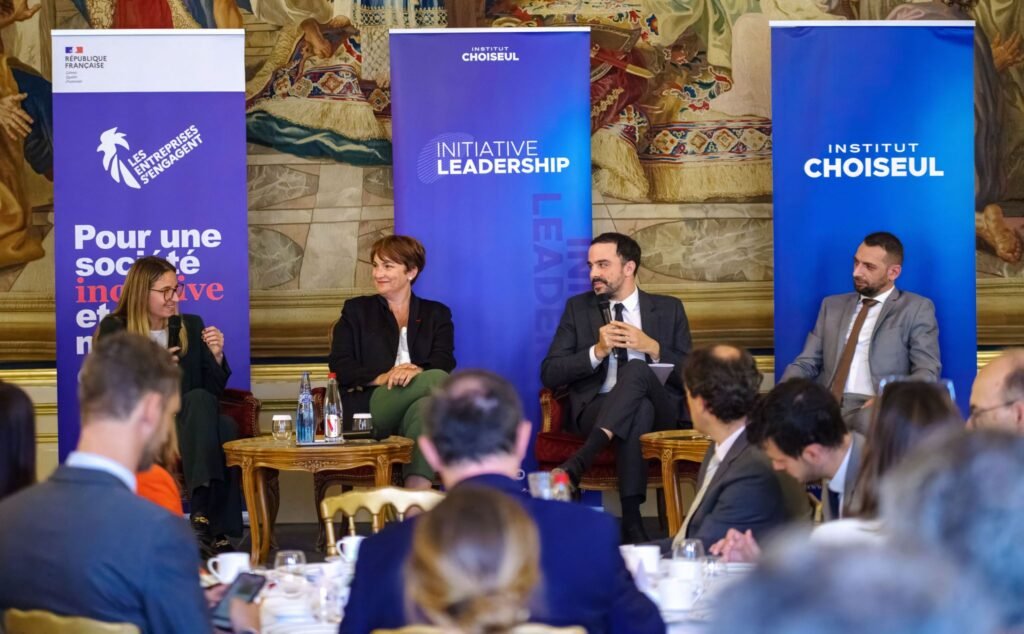
It was around this issue that the Club Leadership Engagé was organized by Companies are committed and the Institut Choiseul, at the Cercle de l'Union Interalliée in Paris, during a breakfast meeting bringing together leaders, institutional actors, and experts in territorial engagement.
Businesses & territories: a new horizon of commitment
Entitled "Businesses & territories: a new horizon of commitments?", this round table highlighted the emergence of a concept that is still relatively unstructured but increasingly decisive: corporate territorial responsibility.
Far from playing a purely economic role, businesses are now seen as:
- a contributor to social cohesion,
- a catalyst for local innovation,
- and a full partner in ecological, social, and economic transitions.
Concrete initiatives—relocation of industries, inclusion through employment, short supply chains, third places, solidarity-based mobility—demonstrate that regional roots can become a factor in resilience and sustainable performance.
Committed contributors with complementary profiles
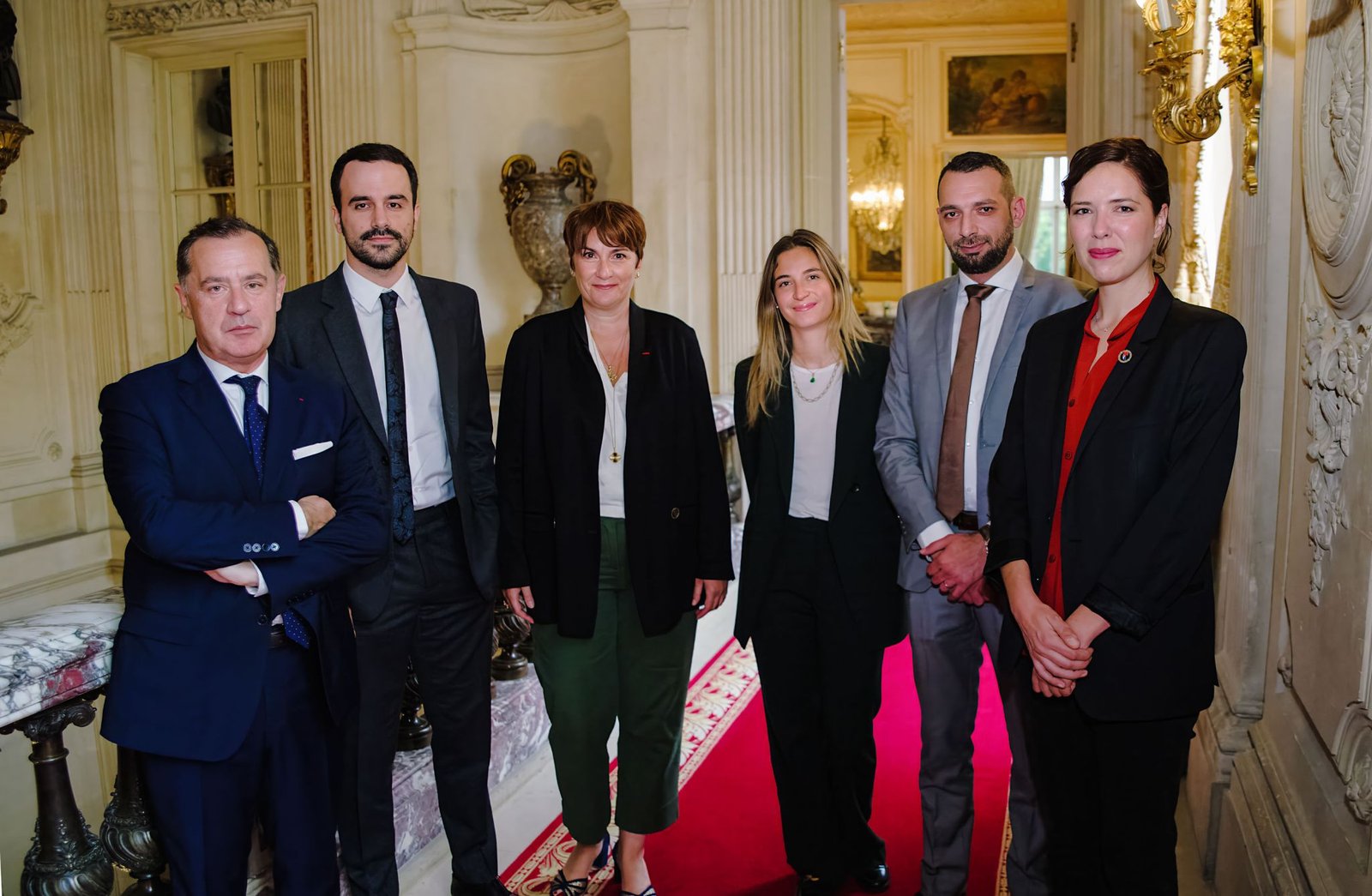
The discussion brought together three individuals with complementary expertise:
- Natacha Cambriels, President of Butagaz, a group operating throughout France, including in the least densely populated areas,
- Victor Delage, founder of the Terram Institute, a think tank specializing in the analysis of territorial dynamics,
- Jean-Baptiste Sandoz, founder of Company Project and French Ambassador for the European Union Climate Pact.
The round table was moderated by Clara Michielini, Director of Partnerships and Innovation at Entreprises s’engagent.
From intention to impact: the need for concrete action
At the heart of the discussions was a shared observation:
regional engagement can no longer be limited to symbolism or communication.
The speakers emphasized the importance of projects:
- rooted in local realities,
- built with local stakeholders,
- equipped with measurable impact indicators,
- and capable of articulating a national vision and local actions.
This requirement for consistency between discourse and results is now a key factor in the credibility of committed companies.
Company Project: Local roots as the foundation for transition
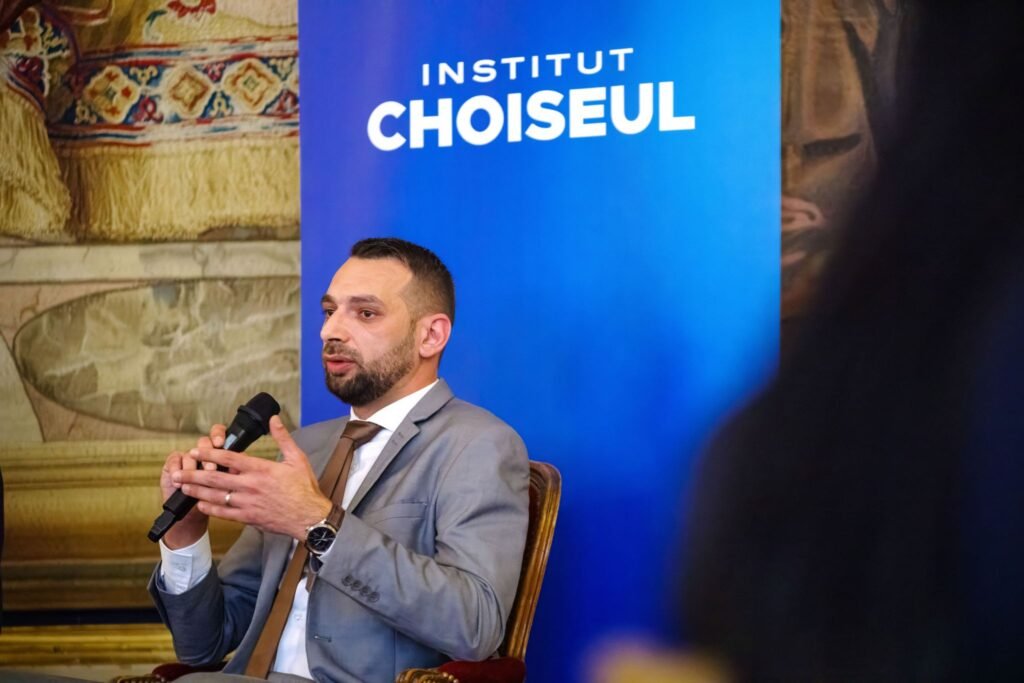
Using the example of Company Project, Jean-Baptiste Sandoz illustrated how an SME can become a structuring lever for regional dynamics by combining:
- circular economy,
- industrial transformation,
- inclusion through employment,
- and training in emerging professions.
The projects developed are based on a simple logic:
Transitions begin in local areas, as close as possible to real needs, rather than in theoretical models that are disconnected from the reality on the ground.
This approach demonstrates that local engagement is not a hindrance to performance, but rather a catalyst for economic, social, and environmental value.
Towards a new model of territorial performance
The discussions confirmed a strong belief held by the Club Leadership Engagé:
companies that are genuinely committed to their local communities perform better in the long term.
By rebuilding connections, bringing together local stakeholders, and investing in sustainable projects, the company becomes a key player in regional development, capable of responding to major contemporary challenges while strengthening its own resilience.
In conclusion, this Engaged Leadership Club has highlighted a paradigm shift:
– territorial responsibility is no longer an option,
– it is becoming a strategic pillar of modern leadership.
A clear message, conveyed by leaders who are convinced that local impact is now inseparable from overall performance.



0 comments