On April 1, the city of Marseille hosted the Climate Chance Europe Africa Summit, a leading international event dedicated to climate issues common to both continents. Institutions, local authorities, businesses, NGOs, and experts gathered to share their visions and identify concrete levers for action in the face of the climate emergency.
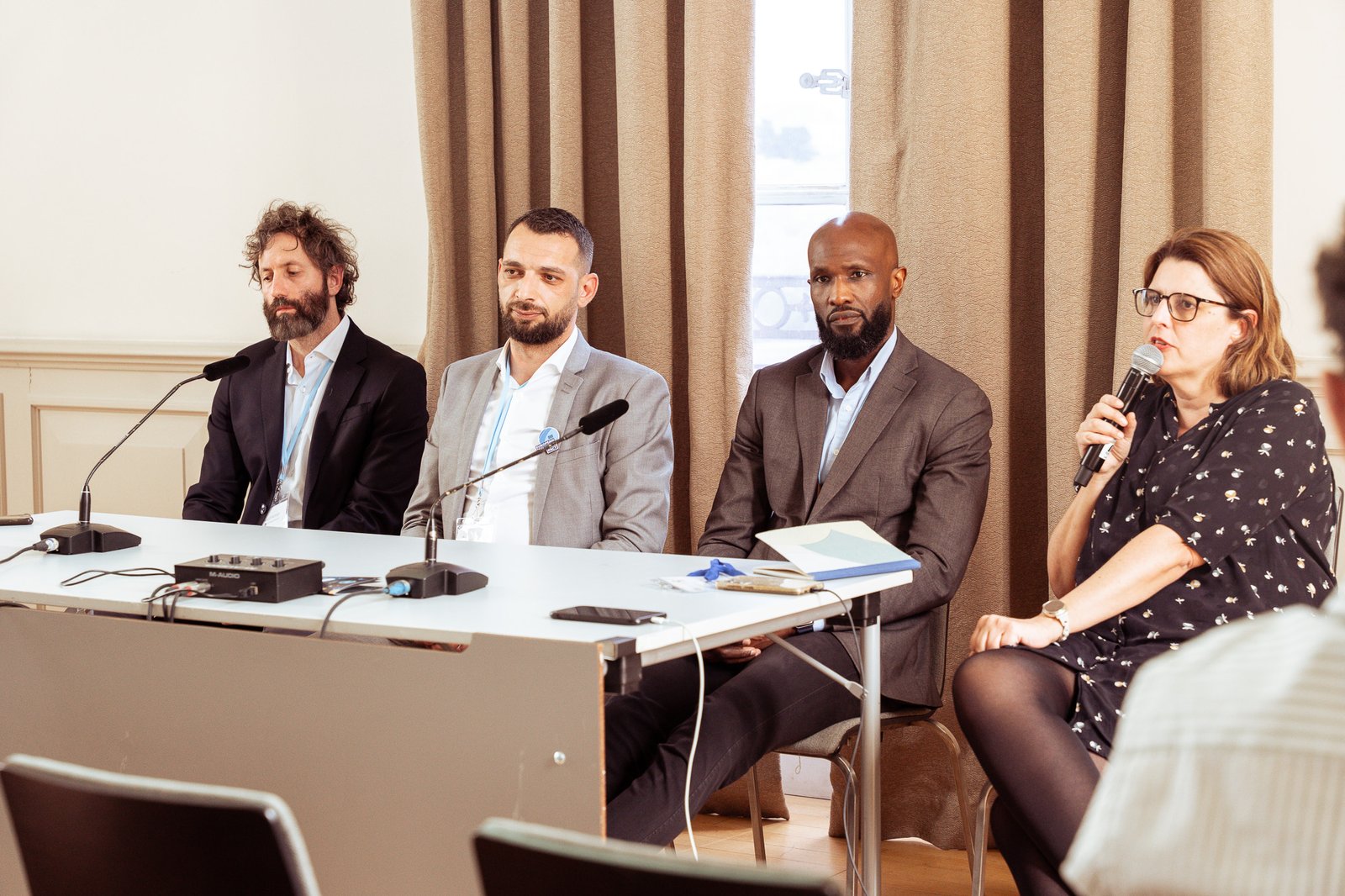
Among the highlights of the summit, a strategic roundtable discussion entitled "The Strategic Role of the Circular Economy" shed light on an aspect of climate policy that is still underdeveloped: reducing demand for resources and transforming waste into secondary raw materials.
On this occasion, Jean-Baptiste Sandoz, founder of Company Project, French Ambassador for the European Union Climate Pact, and expert in circular economy, spoke to promote an industrial, territorial, and systemic approach to circularity.
The circular economy, a key driver of climate policy
The discussions highlighted a shared observation:
while climate transition is often addressed from the perspective of energy production, the control of material flows and the reduction of resource consumption remain largely under-exploited.
In this context, the circular economy appears to be a strategic lever capable of simultaneously addressing several major challenges:
- reduction of the carbon footprint,
- security of supply,
- local value creation,
- structuring of sustainable industrial sectors,
- and resilience of territories.
This approach is particularly relevant in relations between Europe and Africa, which face common challenges in terms of growth, urbanization, and pressure on resources.
An industrial and territorial vision of circularity
During the round table discussion, emphasis was placed on the need to move beyond a theoretical or purely regulatory view of the circular economy and adopt an operational industrial approach based on concrete and measurable projects.
Discussions focused in particular on:
- the structuring of local waste recovery channels,
- the transformation of materials into secondary resources,
- skills development and training in emerging professions,
- and the territorial anchoring of industrial solutions.
This pragmatic approach makes it possible to reconcile ecological transition, economic development, and social cohesion, while limiting dependence on raw material imports.
A highlight for the Ambassadors of the European Climate Pact
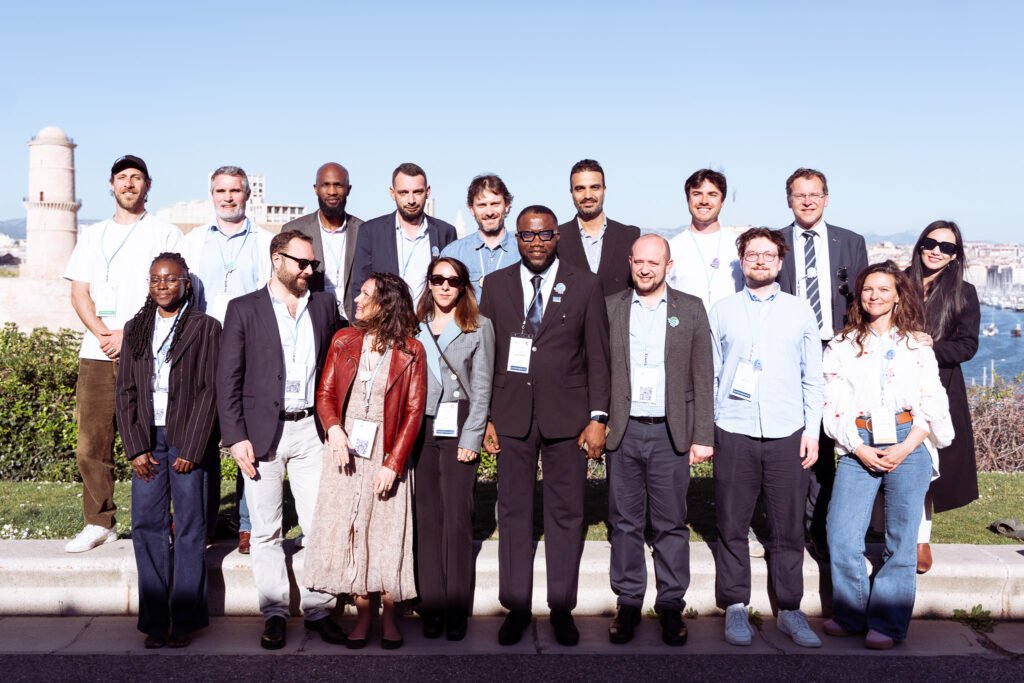
The Climate Chance Europe Africa Summit also featured a gathering of Ambassadors for the European Climate Pact, promoting the exchange of best practices and the convergence of initiatives at the European level.
These discussions highlighted the importance of local, replicable, and measurable solutions that can meet European climate targets while adapting to regional realities.
The structuring contribution of INEC
This dynamic was enriched by the presenceof Emmanuelle Ledoux, Executive Director ofthe National Institute for Circular Economy (INEC), who provided valuable insight into the challenges of resource governance, circularity in supply chains, and consistency in public policy.
His participation reinforced the idea that the circular economy is a strategic pillar of ecological transitions, provided that it is designed at the regional level and integrated into long-term industrial strategies.
Company Project, a vision aligned with global challenges
Through its projects, Company Project is fully committed to this dynamic. The transformation of waste into resources, the development of innovative industrial solutions, and training for the jobs of tomorrow illustrate an approach to the circular economy as a tool for sovereignty, resilience, and international cooperation.
This vision is in line with the objectives of the European Climate Pact, which encourages concrete initiatives capable of producing measurable environmental, economic, and social impact.
Conclusion
The Climate Chance Europe Africa Summit confirmed that the circular economy is no longer a peripheral issue in climate policy.
It is now establishing itself as a key strategic lever, at the intersection of climate, industrial, and regional challenges.
By participating in this round table in Marseille and contributing to discussions between experts, institutions, and Climate Pact Ambassadors, Jean-Baptiste Sandoz brought a pragmatic and systemic vision of circularity to the table, in the service of a shared climate transition between Europe and Africa.


0 comments